What is harm reduction
Harm reduction isn’t just about making substance use safer, it’s a framework that views community care and survival strategies through the lens of social justice and bodily autonomy. It goes beyond standard public health models by actively working to dismantle structural oppressions—such as racism, capitalism, and policing—that create the root conditions of harm. Liberational harm reduction enters absolute self-determination. It honors a person's individual choices regarding their body, health, and survival methods without judgment or coercion. It also rejects the idea that sobriety is the highest form of healing or a prerequisite for receiving care, respect, and support. Further, it explicitly names and fights white supremacy, patriarchy, ableism, and state surveillance as primary sources of systemic harm and focuses on community resilience, abundance, and love rather than forcing behavioral conformity.
https://www.yesmagazine.org/health-happiness/2023/01/19/harm-reduction
Why we are peer-led
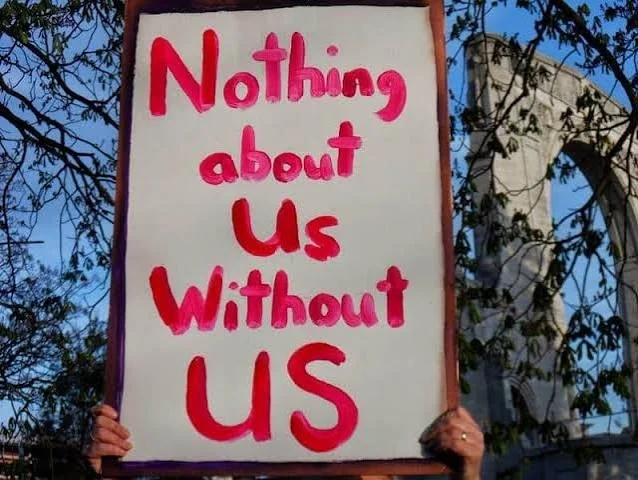
Centering peers in harm reduction means placing people with lived and living experience of substance use at the core of program design, decision making, and service delivery. This approach ensures that services actively build trust, reduce stigma, and honor individual autonomy rather than imposing top-down mandates
Our Mandate
qathet Harm Reduction Society exists to improve the quality of life for people who use substances through user-led harm reduction, peer support, education, outreach, advocacy, and community-based action that respects people’s choices without shame, punishment, coercion, or requiring abstinence.
Our Mission
qHRS works with people who use substances, their families, and relevant associations and agencies to build informed, empowered networks, develop user-defined harm reduction strategies, support positive Page 3 public images of people who use drugs, and influence the systems, services, policies, and practices that affect our communities
Our Values
Autonomy and self-determination: People are experts in their own lives and have the right to make decisions about their bodies, relationships, care, substance use, safety, and support.
Peer leadership and lived experience: People who use substances must have meaningful roles in education, outreach, training, advocacy, policy, and program development.
Dignity, privacy, and consent: People deserve respectful services, confidentiality, informed consent, and control over their personal information and stories.
Non-carceral community care: qHRS prioritizes de-escalation, repair, peer support, safety planning, referrals, restorative approaches, and community-based solutions.
Anti-stigma and public education: qHRS keeps informed and informs the public about the social, economic, health, treatment, and policy issues affecting people who use illicit drugs.
Coalition and partnership: qHRS works independently and in partnership with individuals, agencies, associations, and user groups to strengthen local networks and improve public policy.
Accountability and transparency: qHRS aims to develop policies and procedures that keep us accountable to the society, the membership, and the wider community. qHRS welcomes all feedback and will respond with honesty and openness. See the qHRS policy and procedures manual for more information.